
Clear communication on the water keeps everyone safe. Unlike driving on marked roads, boating involves shared, open spaces where a simple misunderstanding can lead to a collision. Knowing how to signal your intentions and stay in contact with other vessels is a core boating skill. Here is how to communicate safely out on the water.
Learn Your VHF Radio
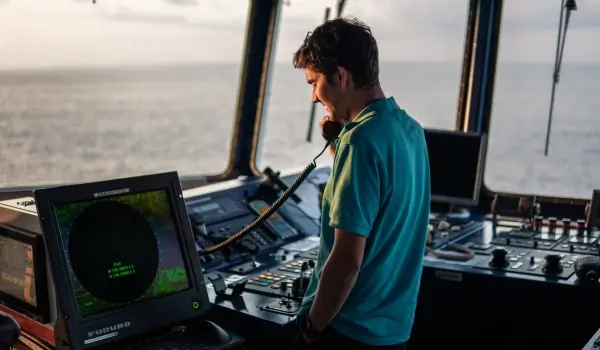
The VHF radio is the backbone of marine communication. Keep it tuned to channel 16, the international hailing and distress frequency, so you can call for help and hear others in trouble. Once you make contact, switch to a working channel to keep 16 clear. Learn the basic calling procedures and always keep your radio on while underway.
Understand Sound Signals
Boats use horn blasts to communicate intentions, especially in close quarters or low visibility. One short blast signals passing on one side, two short blasts the other, and prolonged blasts warn of your presence around blind bends or in fog. Learning these standard signals helps you understand what nearby vessels plan to do.
Use Visual Signals and Lights
Your navigation lights tell other boaters your position and direction at night, so keep them working and use them properly. During the day, hand signals and flags help communicate with vessels nearby, particularly when towing skiers or wakeboarders. Make your intentions visible and predictable.
Know the Distress Signals
In an emergency, recognized distress signals summon help. A mayday call on channel 16, flares, an orange distress flag, and slowly raising and lowering outstretched arms all signal that you need assistance. Knowing these signals helps you both call for help and recognize when another boater needs it.
Practice Courtesy and Predictability
Much of safe communication comes down to being predictable. Maintain a steady course when you can, signal your intentions early, and give other vessels plenty of room. A friendly wave and a watchful eye go a long way toward keeping everyone comfortable and safe.
A Final Thought
Safe boating depends on clear communication. Learn your radio, master the standard signals, keep your lights working, and stay predictable. When everyone communicates well, the water stays safer and more enjoyable for all.