Whether you’re a new boat owner or preparing for your first day on the water, understanding basic boating rules and navigation is essential for safety and confidence. Just like driving a car, boating comes with its own set of guidelines designed to prevent accidents and ensure everyone can enjoy the water responsibly.
Why Boating Rules Matter
Boating rules exist to keep waterways safe and organized. With boats of different sizes sharing the same space—along with swimmers, kayakers, and wildlife—clear rules help reduce confusion and collisions. Following established guidelines also helps protect the environment and ensures you remain compliant with local and federal regulations.
Understanding Right of Way on the Water
Right of way rules determine which vessel should maintain course and speed and which should give way. Generally, non-powered vessels such as sailboats and kayaks have the right of way over powerboats. When two powerboats meet head-on, both should steer to the right, or starboard, to pass safely. When overtaking another vessel, the boat doing the passing must keep clear of the boat ahead.
Reading Navigation Markers and Buoys
Navigation markers guide boaters through channels and alert them to hazards. A common system to remember is “red, right, returning,” meaning red markers should be kept on the right side of your boat when returning from open water. Green markers indicate the opposite side, while other buoys may mark dangers, restricted areas, or provide informational guidance. Learning these symbols is key to safe navigation.
Speed Limits and Safe Operation
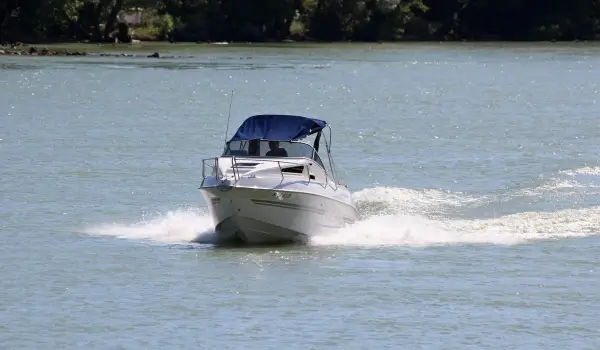
Many waterways have posted speed limits, especially near docks, marinas, and shorelines. Even when no limit is posted, operators are expected to travel at a safe speed based on conditions such as visibility, traffic, and weather. Excessive speed is a leading cause of boating accidents.
Preparing for a Safe Trip
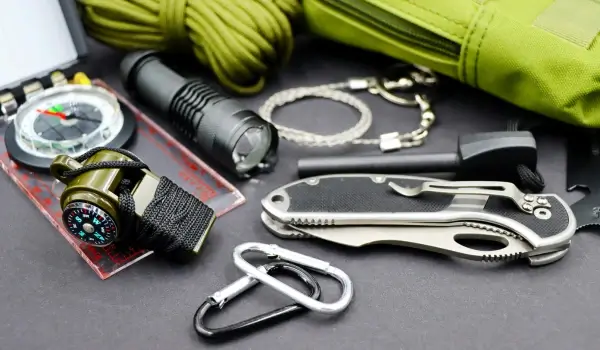
Before heading out, check weather conditions, ensure required safety equipment is onboard, and file a float plan with someone on land. A prepared boater is a safe boater, and understanding navigation rules is the foundation of a successful day on the water.…