How to improve your docking skills

Ask any experienced boater what separates a confident mariner from a nervous one and the answer is almost always the same: docking. Everything else on the water can be handled at a comfortable pace, but bringing a vessel into a slip or alongside a pier demands precision, composure, and an understanding of forces that work against you. Wind, current, prop walk, and the sheer weight of a moving boat all conspire to make docking humbling. The good news is that docking is a skill, not a talent, and like any skill it responds remarkably well to deliberate practice and the right technique.

Know your boat before you approach the dock

Every vessel has its own personality, and docking well starts with understanding yours. Spend time learning how your boat responds at idle speed. Does it pull to port or starboard when you shift into reverse? How much momentum does it carry after you cut the throttle? How does it behave in a crosswind with no steerage? These are not questions to answer for the first time at a crowded marina on a busy Saturday. Find an open anchorage or a quiet stretch of water and practise slow-speed manoeuvres until the boat’s quirks feel familiar rather than alarming. Knowing your vessel is the foundation that everything else is built on.

Read the conditions before you commit

One of the most common docking mistakes is approaching without first observing the environment. Before you make your move, take a moment to assess the wind direction and strength, the tidal current if applicable, and the amount of space you have to work with. Wind and current will either help you or fight you, and knowing which is the case changes your entire strategy. A strong current pushing you onto the dock means you can approach slowly and let nature do the work. A wind pushing you off the dock means you need more momentum and a sharper angle. Circling once to observe is never a sign of weakness. It is the mark of a thoughtful skipper.

Slow down more than you think you need to

The single most repeated piece of advice from experienced boaters is to go slower. Most docking mishaps happen not because of bad technique but because of excess speed. A boat moving too fast has too much energy to absorb if something goes wrong, and panic corrections at speed usually make things worse. Aim to approach at a speed where, if your engine suddenly cut out, the outcome would still be manageable. In practice, this means using very brief, gentle bursts of throttle rather than sustained power, and spending most of your approach in neutral. The boat will feel uncomfortably slow at first. That feeling is exactly right.

Use spring lines to your advantage

Most new boaters think of lines as something you tie off after docking is done. Experienced mariners use lines as active docking tools. A spring line rigged from the bow cleat to a mid-ship dock cleat, for example, allows you to use a short burst of forward throttle with the wheel turned away from the dock to gently pivot the stern in. This technique is especially useful in tight slips or when wind or current is pushing you sideways. Learning to deploy a single well-placed line at the right moment can turn a stressful approach into a controlled, almost effortless manoeuvre.

Brief your crew clearly and calmly

Docking is rarely a solo effort, and a confused or poorly briefed crew can undo even a well-executed approach. Before you enter the marina, take a moment to assign roles. Who is handling the bow line? Who has the stern? Where are fenders deployed? Make sure everyone knows the plan before things get busy, because once you are committed to an approach, there is no time for a detailed conversation. Speak calmly and use clear, simple commands. The skipper’s composure sets the tone for the entire crew, and a relaxed, organised team makes docking significantly easier for everyone involved.

Practise regularly and in varied conditions

There is no substitute for repetition. Seek out opportunities to dock in different conditions, at unfamiliar marinas, and in varying wind strengths. Each new scenario builds a broader library of experience to draw from when things get challenging. If you can, ask a seasoned boater or a professional instructor to ride along and observe your technique. An outside perspective often reveals habits you cannot see yourself, whether that is approaching at a slight angle without realising it or waiting too long to shift into reverse. Docking confidence is built one approach at a time, and every landing, smooth or otherwise, teaches you something valuable.…

Beginner Boating Mistakes and How to Avoid Them

Getting out on the water for the first time is an exciting experience. But like any new skill, boating comes with a learning curve. Many beginners make the same avoidable mistakes that can turn a fun day into a stressful one. Knowing what to watch out for before you head out can save you time, money, and frustration.

Skipping the Pre-Departure Checklist

One of the most common beginner mistakes is heading out without checking the boat first. Before leaving the dock, inspect your fuel levels, safety equipment, navigation lights, and engine. Make sure life jackets are on board for every passenger. A quick checklist before every trip builds good habits and prevents problems that could have been caught at the dock.

Ignoring the Weather Forecast

Conditions on the water can change faster than most beginners expect. A calm morning can turn into choppy, dangerous water by the afternoon. Always check a marine weather forecast before departure, not just a general weather app. If storms are in the forecast, it is always better to reschedule than to risk being caught in rough conditions.

Overestimating Your Experience

Confidence is good, but overconfidence on the water is dangerous. New boaters sometimes venture too far from shore or attempt maneuvers they are not ready for. Start with calm, familiar waters and shorter trips. As your skills and comfort level grow, gradually take on new challenges.

Poor Docking Technique

Docking is one of the trickiest skills for beginners, and rushing it only makes things worse. Approach the dock slowly, account for wind and current, and use fenders to protect the hull. Practice makes a big difference here, so do not be discouraged if your first few attempts feel awkward.

Forgetting to File a Float Plan

A float plan tells someone on shore where you are going and when you expect to return. If something goes wrong and you do not come back on time, that information helps rescuers find you faster. It takes only a few minutes and could genuinely save your life.

Boating is a rewarding hobby that gets easier with experience. Learn from these common mistakes, take a boating safety course, and enjoy the water with confidence.…

How to Read Water Conditions Before Heading Out

A successful and safe day on the water depends on more than just a full tank of gas or a charged battery. It hinges on your ability to understand the language of the water itself. Reading water conditions is a critical skill that every boater, angler, kayaker, and paddleboarder must develop. By learning to interpret a few key environmental signals, you can make informed decisions that protect you, your companions, and your vessel from unexpected hazards.

Check the Official Forecast First

Your pre-trip research should always begin with official, reliable sources. Do not rely on a single weather app’s general outlook. Seek out specialized marine forecasts from agencies like the National Oceanic and Atmospheric Administration (NOAA) or your local coast guard. These forecasts provide vital, location-specific details that standard weather reports omit.

Pay close attention to three key metrics. First, examine the wind forecast for both speed and direction. Strong winds, especially those opposing a current, can create steep, dangerous waves very quickly. Second, review the wave height and period report. A longer period between waves generally means a smoother ride. Finally, note any small craft advisories, gale warnings, or storm watches. These are official orders, not suggestions. If one is issued for your area, your safest move is to postpone your trip.

Observe the Sky and Feel the Wind

Before you even launch, use your senses to ground-truth the forecast. Step outside and observe the sky. High, wispy cirrus clouds can indicate a change in weather within the next 24 hours. Dark, lowering cumulonimbus clouds signal immediate thunderstorm danger. Also, note the behavior of the wind. A sudden shift in wind direction or a sharp increase in speed often precedes a front.

On the water, learn to read the wind’s effect on the surface. A noticeable darkening or “texturing” of the water indicates increasing wind strength. Whitecaps begin to form at approximately 13 knots. If you see a line of dark, ruffled water advancing toward you, it signifies a strong wind gust or squall. Understanding these visual cues gives you a crucial window to seek shelter or alter your course before conditions worsen.

Understand Tides and Currents

For coastal and estuary adventures, tide and current knowledge is non-negotiable. Consult a local tide chart to know the times and heights of high and low water. A strong outgoing tide, or ebb current, can create powerful, turbulent flows at narrow inlets or around points of land. This can challenge even powerful engines and create standing waves.

Study a current chart or ask local experts about the direction and speed of the flow in your planned area. Remember that wind against tide creates the roughest conditions. Even a moderate wind blowing against a strong current will kick up a steep, choppy sea that can be uncomfortable and unsafe. Plan your route to work with the current when possible, and always verify the timing of tidal changes to ensure you are not fighting nature on your way home. By combining forecast data with on-site observation and tidal wisdom, you build a complete picture that ensures your time on the water is both enjoyable and secure.…

Tips for Launching Your Boat Smoothly

The launch ramp is the gateway to a perfect day on the water. It can also be a source of stress and delay on a busy weekend. A chaotic launch affects everyone’s enjoyment. With good preparation and a solid routine, you can master this process. These tips will help you launch quickly and efficiently, ensuring you spend less time in line and more time on the water.

Preparation Is the Key to Success

The work for a smooth launch begins long before you arrive at the ramp. Complete your pre departure checklist at home or in the parking lot. Install your drain plug, load all gear and coolers, and ensure your safety equipment is accessible. Check that your boat keys are ready. Practice backing your trailer in an empty lot to build confidence. Familiarity with your vehicle’s mirrors and the trailer’s turning radius is invaluable under pressure.

Mastering the Ramp Routine

When it is your turn at the ramp, efficiency is crucial. Follow a clear sequence. Prepare your boat in the staging area. Remove all tie down straps and covers, but leave the bow safety chain attached. Then, back your trailer smoothly into the water until the boat is floating. Have a crew member ready to guide it off the trailer. Once the boat is free, immediately pull your trailer up and out of the launch lane. Park your vehicle, and then walk down to board your boat. This stage, launch, clear flow keeps traffic moving for everyone.

Prioritizing Safety and Courtesy

A busy ramp requires mindfulness and patience. Always use your boat’s bow line when launching to maintain control. Never start your engine until you are securely away from the ramp. Be ready to assist others if they are struggling; a helping hand fosters a positive atmosphere. Stay calm, move with purpose, and keep a watchful eye on your surroundings. Your preparedness and consideration set the tone for a great day for all boaters.

By adopting these habits, you contribute to a safer launch environment. A smooth launch is the first step to a fantastic day. It builds confidence, reduces stress, and gets your crew on the water faster, ready to enjoy the sunshine and freedom that boating provides.…

How to Understand Basic Boating Rules and Navigation

Whether you’re a new boat owner or preparing for your first day on the water, understanding basic boating rules and navigation is essential for safety and confidence. Just like driving a car, boating comes with its own set of guidelines designed to prevent accidents and ensure everyone can enjoy the water responsibly.

Why Boating Rules Matter

Boating rules exist to keep waterways safe and organized. With boats of different sizes sharing the same space—along with swimmers, kayakers, and wildlife—clear rules help reduce confusion and collisions. Following established guidelines also helps protect the environment and ensures you remain compliant with local and federal regulations.

Understanding Right of Way on the Water

Right of way rules determine which vessel should maintain course and speed and which should give way. Generally, non-powered vessels such as sailboats and kayaks have the right of way over powerboats. When two powerboats meet head-on, both should steer to the right, or starboard, to pass safely. When overtaking another vessel, the boat doing the passing must keep clear of the boat ahead.

Reading Navigation Markers and Buoys

Navigation markers guide boaters through channels and alert them to hazards. A common system to remember is “red, right, returning,” meaning red markers should be kept on the right side of your boat when returning from open water. Green markers indicate the opposite side, while other buoys may mark dangers, restricted areas, or provide informational guidance. Learning these symbols is key to safe navigation.

Speed Limits and Safe Operation

Many waterways have posted speed limits, especially near docks, marinas, and shorelines. Even when no limit is posted, operators are expected to travel at a safe speed based on conditions such as visibility, traffic, and weather. Excessive speed is a leading cause of boating accidents.

Preparing for a Safe Trip

Before heading out, check weather conditions, ensure required safety equipment is onboard, and file a float plan with someone on land. A prepared boater is a safe boater, and understanding navigation rules is the foundation of a successful day on the water.…

Essential Gear Every New Boat Owner Should Have

Owning a boat opens the door to unforgettable days on the water, but being properly equipped is key to safety, comfort, and confidence. For new boat owners, knowing which gear is truly essential can feel overwhelming. Starting with the right basics ensures smooth outings and helps you enjoy every trip without unnecessary stress.

Safety Equipment You Cannot Skip

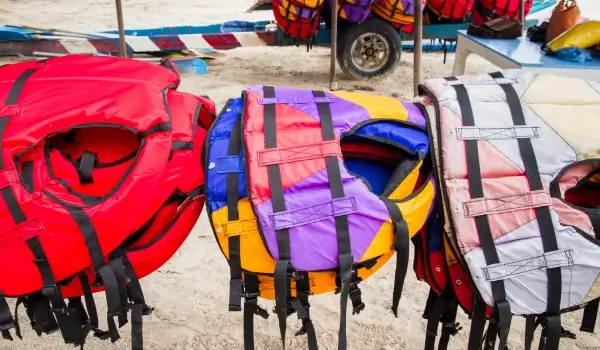
Safety should always be your top priority on the water. Every boat must have properly sized life jackets for each passenger, including children and pets if applicable. A throwable flotation device, fire extinguisher, visual distress signals, and a sound-producing device like a horn or whistle are also required in many areas. Keeping a well-stocked first aid kit onboard can make a big difference in handling minor injuries or emergencies.

Navigation and Communication Tools

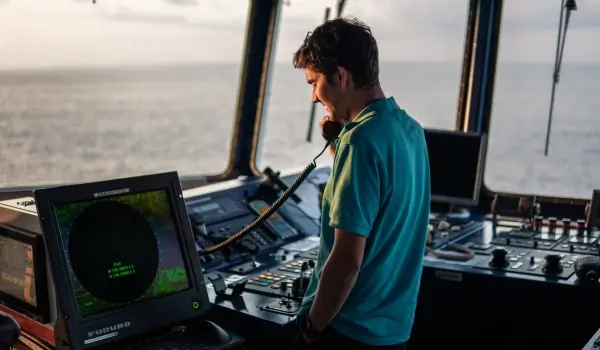
Reliable navigation tools help you stay oriented and avoid hazards. A GPS or chartplotter is incredibly helpful, but paper charts are still essential as a backup. A marine VHF radio allows you to communicate with other boaters and emergency services if needed. Even for short trips, these tools provide peace of mind and improve overall safety.

Docking and Anchoring Essentials

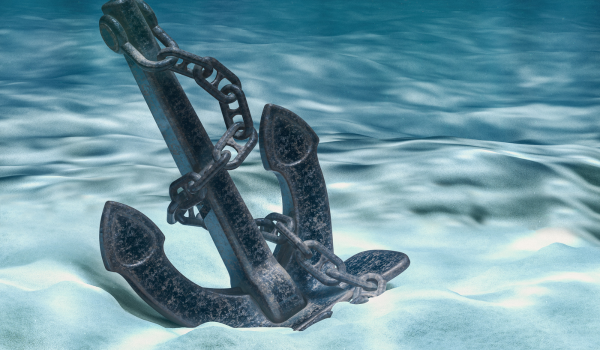
Docking and anchoring gear make arrivals and stops much easier. Fenders protect your boat from damage while tying up, and quality dock lines ensure a secure hold. An anchor suited to your boat’s size and typical water conditions is essential, along with enough rode to keep it firmly in place.

Comfort and Maintenance Gear

Comfort items enhance your time on the water. Sun protection, seating cushions, and plenty of drinking water help keep everyone happy. Maintenance essentials like a basic tool kit, spare fuses, and cleaning supplies allow you to handle small issues before they become bigger problems. With the right gear onboard, every outing becomes safer, smoother, and more enjoyable.…